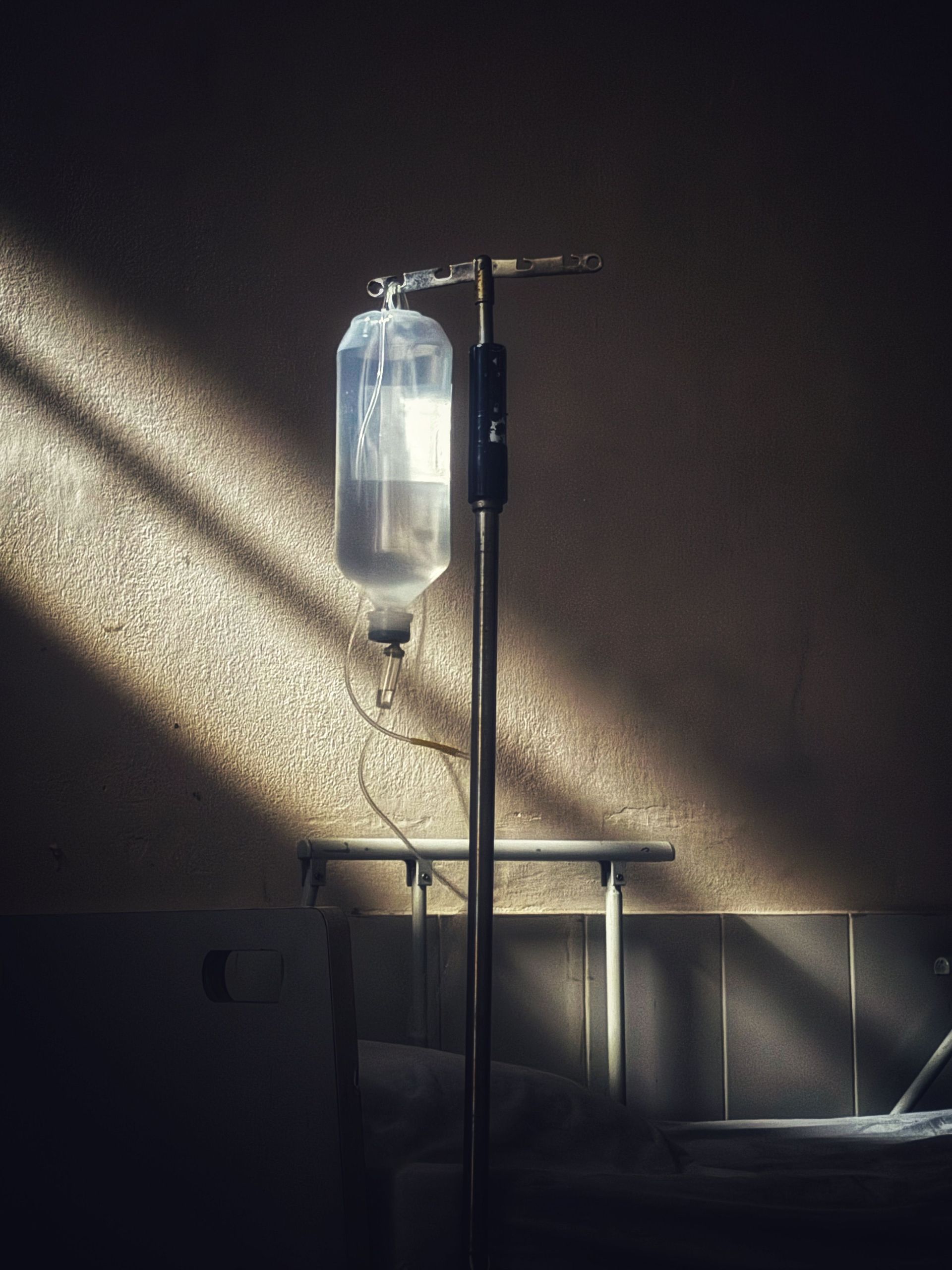
Can Ketamine Help with Seasonal Depression?
The Albany Clinic • December 26, 2025
Quick Summary / TL;DR
What Is SAD?
A seasonal form of depression that typically appears in fall and winter as daylight decreases.
Why Winter Hits Hard
Less sunlight disrupts circadian rhythm, lowers serotonin, and alters sleep and energy.
Limits of Traditional Care
Light therapy and antidepressants can help, but often take weeks or fall short for severe symptoms.
How Ketamine Helps
A rapid-acting treatment that works on glutamate pathways and may ease symptoms within days.
When winter settles in, it doesn’t just change the weather. For many people, it changes their mood, energy, and motivation as well.
Seasonal affective disorder, or SAD, is a form of depression that is more than the “winter blues.” It can make the darker months feel heavier and harder to manage. And when symptoms hit fast, traditional treatments don’t always keep pace. That’s why ketamine therapy is gaining attention as a rapid-acting option for winter depression.
At The Albany Clinic, we help patients explore advanced, evidence-based care when relief can’t wait.
What Is Seasonal Affective Disorder?
Seasonal affective disorder (SAD) is a form of depression that follows a predictable seasonal pattern rather than lasting all year. Clinically, it’s considered a subtype of major depressive disorder, meaning the symptoms look much like depression, but they reliably show up as daylight fades in the fall and winter, then ease as spring and longer days return. January and February are the toughest months for most people in the U.S.
SAD is also more common than many realize. Research shows that:
- In the U.S., estimates suggest about 1% of people in sunnier states like Florida are affected, compared with roughly 9% in northern regions such as Alaska.
- In Canada, around 15% of people report milder “winter blues,” while 2–6% meet criteria for SAD.
- In the United Kingdom, about 20% experience winter blues, and about 2% are affected by SAD.
And while the term “winter blues” gets tossed around, SAD goes much deeper. It can interfere with work, relationships, and daily life, and it deserves to be taken seriously.
Signs and Symptoms of Seasonal Depression
Seasonal depression can look different from person to person, but many people describe the same symptoms when winter arrives:
- Persistent low mood or sense of hopelessness
- Fatigue and decreased energy
- Sleeping more, but waking up tired
- Appetite changes
- Loss of interest in activities that once brought joy
- Difficulty staying socially connected or engaged
- Difficulty concentrating
- Suicidal ideation
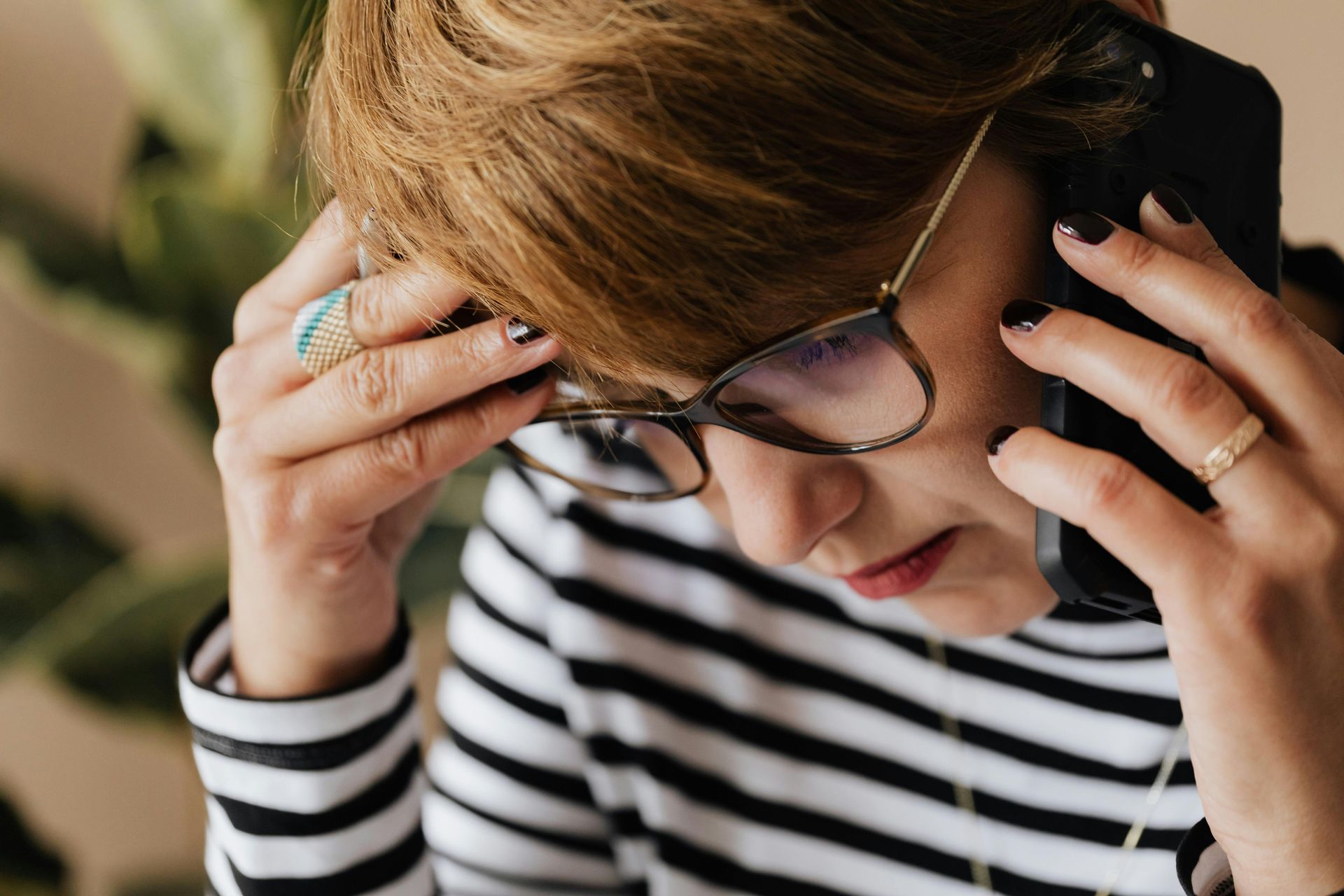
Why Winter Can Make Depression Worse
Winter doesn’t just bring colder air and shorter days. It changes what’s happening inside the brain and body, too. As daylight fades, the body’s internal clock (your
circadian rhythm) can drift out of sync, throwing off sleep, energy, and mood regulation.
Less light is also linked to lower serotonin, the neurotransmitter that helps stabilize mood, while melatonin, the hormone that promotes sleep, rises earlier and stays elevated longer.
Vitamin D levels often drop during the darker months, which may further influence mood and brain health. And for some people,
genetic factors tied to circadian and brain regulation make them especially vulnerable when seasons shift.
Traditional Treatments for Seasonal Affective Disorder
For many people with seasonal affective disorder, treatment starts with approaches designed to replace what winter takes away.
- Light therapy is often a first step, using a bright light box each morning to mimic sunlight and help reset circadian rhythms. It can be effective, but it usually takes days to weeks of consistent use before real improvement appears.
- Antidepressants, particularly SSRIs and sometimes bupropion, are also commonly prescribed to support mood through the season.
- Psychotherapy, especially cognitive behavioral therapy, can help people challenge winter-related thought patterns and build healthier coping strategies.
- Lifestyle changes like getting outdoors, exercising regularly, and maintaining steady sleep routines can also help.
While these
depression treatments work for many people, they may not be sufficient for everyone. These interventions can work slowly, cause side effects, or fall short for people with more severe symptoms. That gap is where the search for new options often begins.
What Is Ketamine Therapy?
Ketamine therapy may sound new, but the medication itself has been used safely in medicine for decades as an anesthetic. What’s changed is how it’s being used.
In carefully controlled, low doses, ketamine is now helping people with
treatment-resistant depression (those who haven’t found enough relief from traditional medications). In mental health care, ketamine is typically given through an
IV infusion or as a nasal spray form called
esketamine.
Ketamine isn’t a first-line treatment. It’s considered when other options haven’t worked or haven’t worked well enough
| Treatment | Time to Effect | Best For |
|---|---|---|
| Light Therapy | Days to weeks | Mild to moderate SAD |
| Antidepressants | Weeks | Ongoing seasonal symptoms |
| Ketamine Therapy | Hours to days | Moderate–severe or treatment-resistant SAD |
How Ketamine Can Help Seasonal Affective Disorder
Ketamine works differently from standard antidepressants, and that difference matters when winter depression hits hard. Instead of targeting serotonin, ketamine acts on the brain’s glutamate system, a key pathway involved in learning, memory, and how brain cells communicate. This shift helps stimulate neural plasticity, encouraging new connections in brain regions linked to mood and emotional regulation.
What stands out most is speed. While SSRIs may take weeks to build effect, ketamine can begin easing depressive symptoms within hours or days. For people whose mood drops quickly as daylight fades, that rapid response can be a significant turning point. Ketamine may also help reduce neuroinflammation, which is increasingly linked to depression severity.
Ketamine is not a cure for SAD, but when used alongside CBT or light therapy, it can create enough relief to help people re-engage with the habits that support their recovery. And for those with severe or treatment-resistant seasonal depression, it can serve as a powerful bridge when other paths haven’t been enough.
Who Might Be a Good Candidate for Ketamine in Winter?
Ketamine isn’t meant for everyone with winter blues. It’s typically considered for people facing moderate to severe seasonal affective disorder, or for those whose major depression reliably worsens during the darker months. It may also be an option when symptoms haven’t improved despite trying antidepressants, light therapy, psychotherapy, and lifestyle changes.
Because ketamine affects the brain in powerful ways, careful screening is key. A qualified provider will review your symptoms, history, and overall health to decide whether it’s appropriate and safe.
For the right person, ketamine can offer new hope. But it’s always part of a professional, personalized care plan, and not a one-size-fits-all solution.
Find Light in the Darker Months at the Albany Clinic
Seasonal affective disorder can make winter feel endless. But it doesn’t have to be that way. SAD is real, it’s treatable, and new options like ketamine are offering faster relief for people who haven’t found enough help in traditional treatment options.
You don’t have to just “get through” another winter alone. If seasonal depression is weighing on you, contact The Albany Clinic, located in Carbondale, IL, to learn more and schedule a consultation.
Hope can start sooner than you think, and we’re here to help.
You Don’t Have to Wait Out the Winter
If seasonal depression is affecting your life, The Albany Clinic offers personalized, evidence-based care — including advanced options like ketamine therapy.