
Why TMS Therapy Is a Leading Non-Invasive Treatment for Depression
The Albany Clinic • February 19, 2026
Quick Summary / TL;DR
TMS is a targeted, non-invasive brain stimulation treatment for depression—done while you’re awake, without anesthesia, and without whole-body medication effects.
Targeted stimulation
Magnetic pulses focus on brain circuits involved in mood regulation—without affecting the whole body.
Comfort-first sessions
You stay awake and alert. No sedation, no recovery time—most people drive themselves home.
Fewer systemic side effects
Because it’s localized, TMS avoids many common medication effects (like fatigue, weight, or GI issues).
Strong safety record
Extensively studied with controlled, reversible effects. Side effects are typically mild and temporary.
More people today are searching for mental health treatments that work without heavy medication side effects or invasive surgery. TMS therapy is an appealing intervention for those looking to move past traditional mental health treatments.
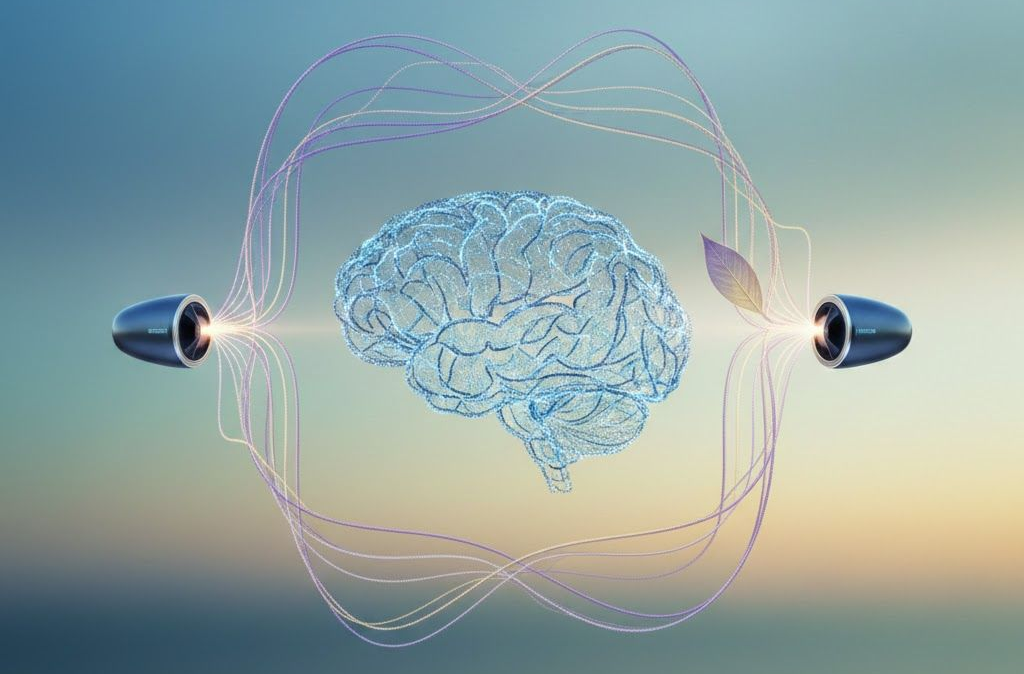
Transcranial Magnetic Stimulation (TMS) is an FDA-cleared treatment that uses targeted magnetic pulses to gently stimulate specific areas of the brain involved in mood regulation (without any anesthesia or whole-body drug effects).
TMS offers a science-backed approach designed for comfort, safety, and real results for those looking for real relief from depression and other mental health conditions. In this guide, we’ll explain what makes TMS non-invasive, why patients choose it, and how this modern therapy is reshaping the treatment of depression.
What Is TMS Therapy?
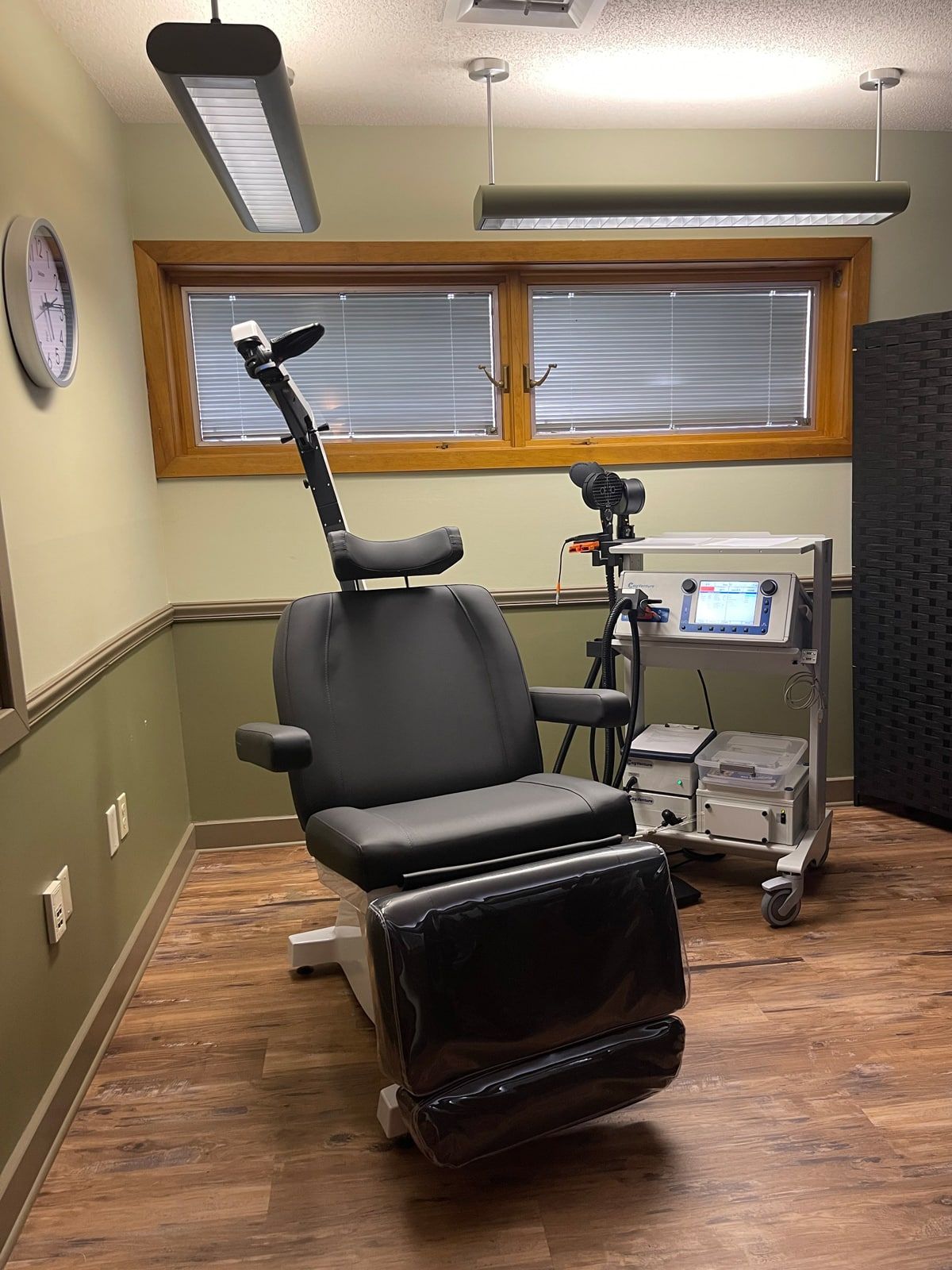
TMS therapy is a form of non-invasive brain stimulation that helps regulate activity in specific areas of the brain linked to mood and behavior. It works using a specialized magnetic coil placed gently against the scalp.
When activated, the coil delivers brief magnetic pulses that pass through the skull and create small electrical currents in targeted brain regions. These currents influence how neurons communicate by adjusting neural excitability and activity patterns in precise ways.
Because it modulates brain activity without surgery or medication, TMS is considered a form of non-invasive neuromodulation. Today, it’s widely used to treat depression and continues to show promise for other neurological and mental health conditions.
What Makes TMS Therapy Non-Invasive?
What truly sets TMS therapy apart is how it interacts with the brain without physically entering it. There’s no surgery or implanted devices involved.
Because the treatment works externally via the magnetic coil, it does not penetrate brain tissue. Patients remain awake, with no anesthesia or sedation required. The process is precise and controlled.
TMS also produces reversible effects. The magnetic stimulation temporarily influences neural activity rather than permanently altering it, allowing clinicians to safely modulate brain function and observe meaningful changes in symptoms. These effects can be directed toward specific brain circuits involved in mood and behavior to support highly focused treatment approaches.
In short, TMS changes brain activity without changing the brain itself, and that’s what makes it truly non-invasive.
Read More: How Does TMS Treatment Help Depression?
Why TMS Is a Patient-Friendly Treatment Option
TMS therapy is designed with the patient experience in mind. During treatment, you remain fully awake and aware. There’s no sedation, no grogginess, and no interruption to your thinking or memory.
Sessions are relatively short, typically lasting between 20 and 40 minutes. There’s no recovery period or downtime to plan around, which makes treatment easier to fit into everyday life. You can run errands, return to work, or drive yourself home immediately after your appointment.
TMS is also highly personalized. Clinicians use advanced brain mapping techniques to identify the area's most closely linked to your symptoms, allowing for precise, individualized care.
TMS therapy doesn’t disrupt daily life or cause systemic side effects, making it one of the most patient-friendly mental health treatments available today.
Why Patients Choose TMS
Designed to be practical, precise, and easier to fit into everyday life.
Non-invasive neuromodulation
External coil—no surgery, no implants, and no anesthesia.
Personalized targeting
Mapping helps focus treatment on the circuits most tied to your symptoms.
Short visits
Many sessions last 20–40 minutes, making it easier to schedule.
Back to your day
No sedation or grogginess—many people drive themselves afterward.
Well-tolerated
Side effects are typically mild and temporary (like brief scalp discomfort).
Safety-focused protocol
Calibrated settings and established guidelines support consistent, controlled treatment.
How TMS Therapy Differs from Medication
One of the biggest advantages of TMS therapy is what it doesn’t affect. Unlike antidepressant medications that circulate throughout the entire body, TMS works locally. The magnetic pulses target neural circuits directly without altering overall brain chemistry or impacting other bodily systems.
In contrast, many medications can cause unwanted effects like weight gain, sexual dysfunction, digestive issues, or persistent fatigue. TMS avoids these whole-body side effects because the treatment stays focused on the brain area being stimulated.
When side effects do occur, they’re typically mild and temporary. Some patients notice slight scalp discomfort or a short-lived headache after treatment, but these effects usually fade quickly.
For individuals seeking antidepressant alternatives with fewer systemic effects, TMS therapy offers a targeted approach that supports mental health without placing additional strain on the body.
Learn More: TMS Therapy: An Effective Option When Medication Isn’t Enough
| Feature | TMS Therapy | Antidepressant Medication |
|---|---|---|
| Invasive? | No surgery or implants | No surgery, but systemic drug exposure |
| Whole-Body Side Effects | Minimal, localized | Common (weight gain, fatigue, etc.) |
| Downtime | None | Adjustment periods common |
| Personalization | Brain-mapped targeting | Trial-and-error dosing |
Safety and Long-Term Use of TMS Therapy
Safety is one of the most carefully studied aspects of TMS therapy. Over decades of research and clinical use, extensive safety guidelines have been developed to ensure treatment is delivered in a controlled and consistent way. The magnetic pulses are carefully calibrated, allowing clinicians to adjust stimulation intensity based on each patient’s needs.
Importantly, studies show that TMS does not cause structural brain damage or harm to surrounding tissue. It also does not lead to cognitive decline. Changes in brain activity produced by TMS are linked to therapeutic improvements in mood and function.
Because the effects are controlled and well-tolerated, TMS can be repeated safely when needed. Some patients benefit from maintenance sessions over time to help sustain symptom relief. This strong safety profile helps make TMS a trusted, long-term treatment option for depression and other mental health conditions.
Why TMS Is Becoming a Leading Mental Health Treatment
TMS therapy is gaining recognition as a leading non-invasive mental health treatment because it’s grounded in strong scientific research. Instead of taking a one-size-fits-all approach, TMS allows for personalized treatment based on how an individual’s brain functions.
New research also shows that TMS can influence deeper brain networks by stimulating connected surface regions. In clinical studies, patients receiving targeted stimulation have experienced meaningful improvements in depression symptoms within a short period of time.
This combination of precision, personalization, and measurable results is helping TMS take on a growing role in modern psychiatry. It’s shaping the future of mental health care through innovation and evidence-based treatment.
Access Non-Invasive TMS Therapy at The Albany Clinic
If you’re looking for TMS therapy in Carbondale, IL, The Albany Clinic team is here to help. Working with us starts with a personalized consultation. During this visit, our clinical team evaluates your symptoms, treatment history, and overall health to determine whether TMS treatment is the right fit for you.
If TMS is appropriate, we develop an individualized treatment plan tailored to your needs and goals. Every session is delivered under professional supervision in a supportive, comfortable clinical environment focused on your safety and progress.
Ready to explore your options? Request a TMS therapy consultation in Carbondale today and take the next step toward lasting relief.
Common Questions About TMS
Clear answers based on what patients ask most often.
Does TMS require anesthesia or sedation?
How long is each session?
Is TMS painful?
Can I drive myself home after treatment?
Is TMS safe for long-term use?