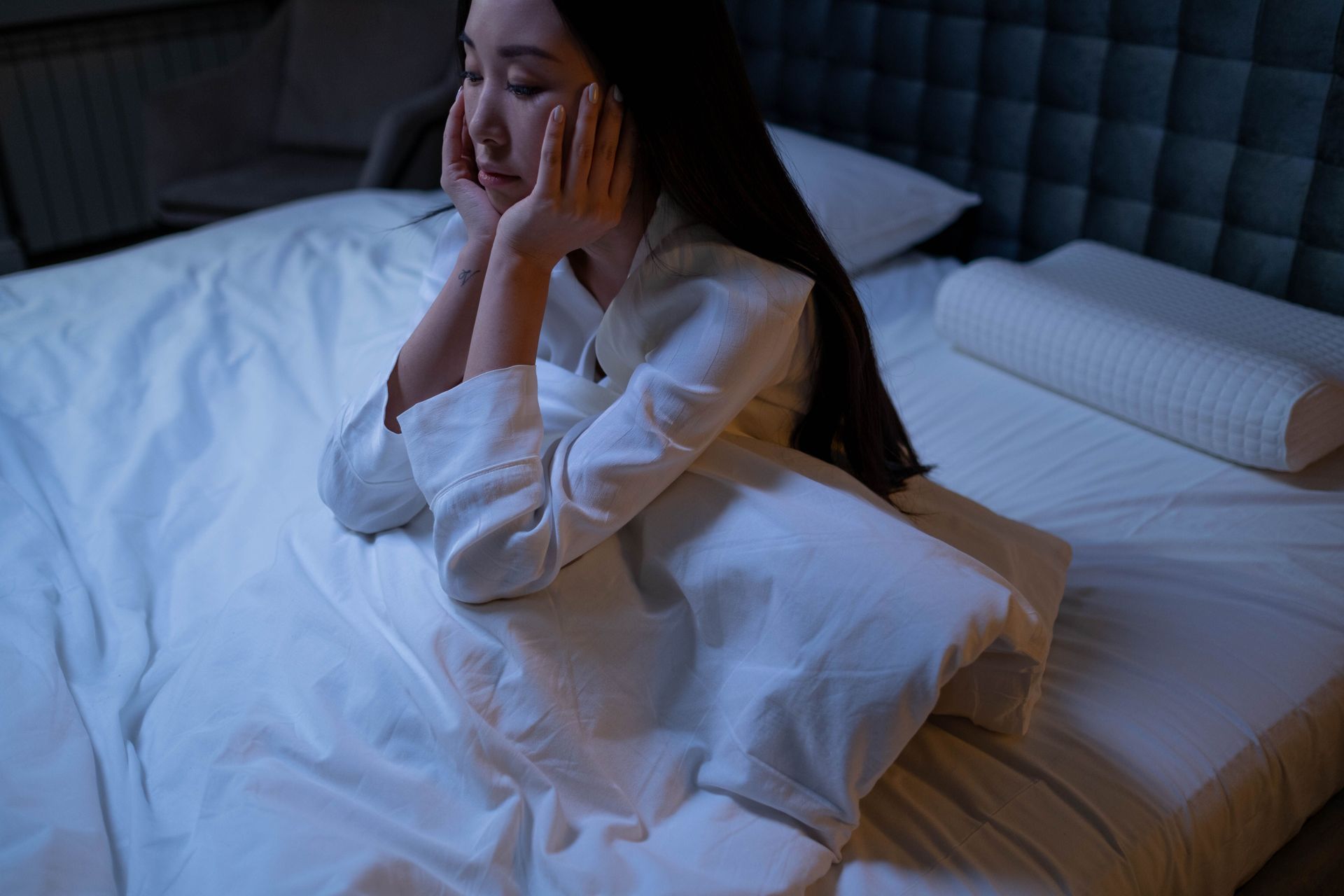
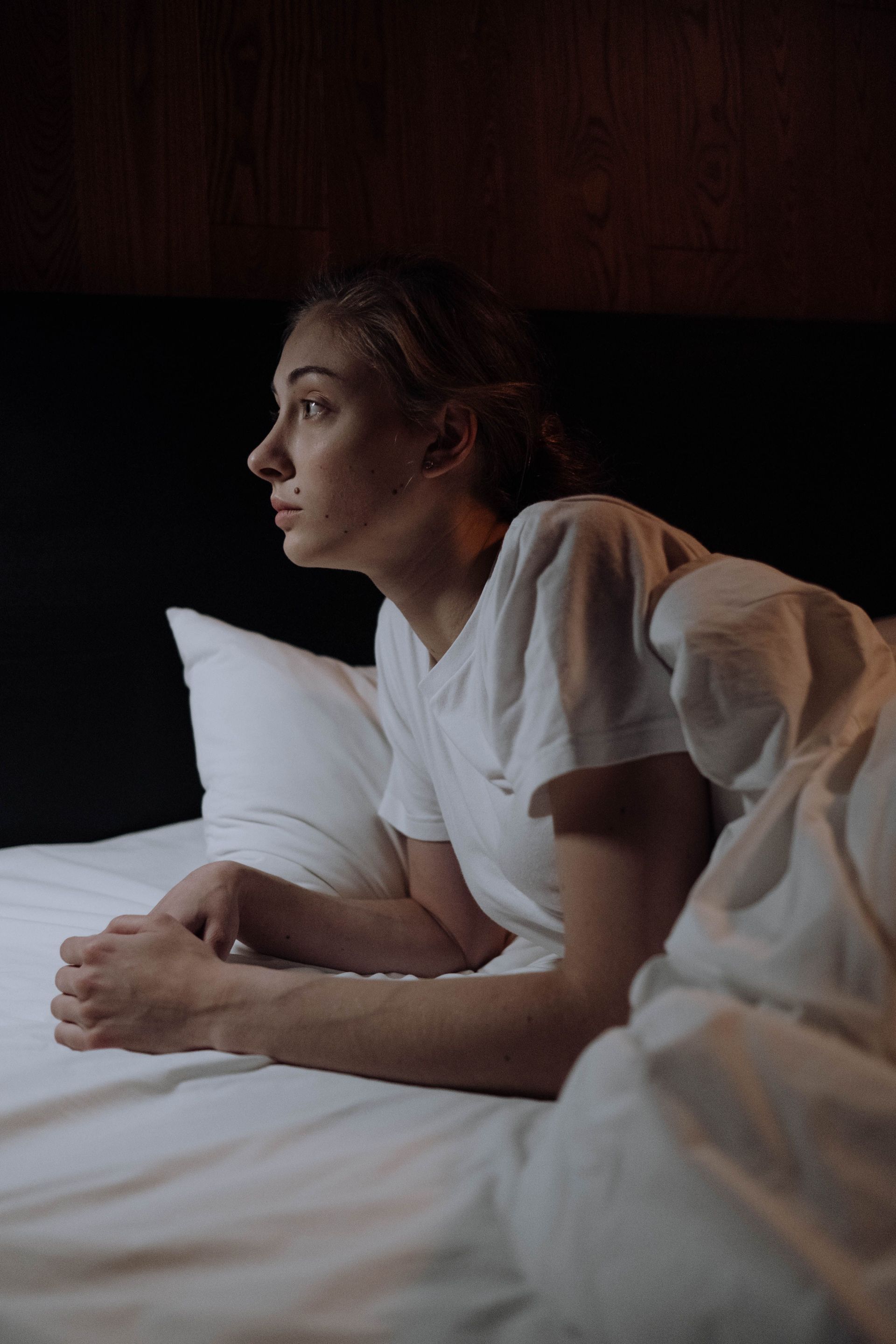
Feeling more sad, heavy, or hopeless when the sun goes down is a well-documented pattern known as nighttime depression or diurnal mood variation. It stems from a combination of biological shifts and daily lifestyle habits that build up over the course of the day.
Key Triggers
Fewer active distractions, evening isolation, lower physical energy, and late-night mental rumination.
Sleep Hygiene
Sticking to fixed bedtimes, avoiding blue screens, and cutting out afternoon caffeine or evening alcohol.
Routine Shifts
Engaging in physical workouts earlier in the day and introducing relaxing wind-down routines at bedtime.
Clinical Care
The Albany Clinic builds specialized plans combining CBT, TMS, SPRAVATO®, or fast-acting IV ketamine.
If you find that you feel okay during the day but get hit with sadness, heaviness, or hopelessness once the sun goes down, you're not imagining it, and you're not alone. Many people with depression notice that their symptoms get worse in the evening or at night. This pattern is sometimes called nighttime depression, and there are real, well-researched reasons it happens.
Here's a look at why depression tends to feel worse at night, what the research says about it, and what you can do if nighttime is the hardest part of your day.
There's rarely just one reason people feel more depressed at night. Most of the time, it's a combination of biological, emotional, and lifestyle factors that build up over the course of the day.
Your body's internal clock: Depression is closely tied to your circadian rhythm, which is the internal clock that regulates sleep, hormones, and mood throughout the day.Research on diurnal mood variationshows that many people with depression experience a regular pattern of mood changes tied to the time of day, and for some, that means feeling noticeably worse once evening arrives.
Fewer distractions: During the day, work, school, errands, and other people can keep your mind occupied. Once things quiet down at night, there's less to distract you from difficult thoughts and feelings, which can make sadness feel more intense.
Loneliness and less social contact: If you live alone, or simply have less contact with others in the evening, that drop-off in social connection can make depression worse. Alarge study using UK Biobank datafound that both loneliness and social isolation were independently linked to a higher risk of developing depression. Evening hours, when most people are winding down alone, are often when that loneliness is felt most strongly.
Running out of energy: Depression often comes withanergia, or persistent low energy. After a full day of just getting through tasks, many people simply have less mental and physical reserve left by nighttime, which can amplify low mood.
Replaying the day: Nighttime is when a lot of people start mentally reviewing their day. For someone with depression, that often turns into rumination about perceived mistakes, missed goals, or feelings of guilt and worthlessness. This kind of overthinking can also make it harder to fall asleep.
Does Poor Sleep Make Nighttime Depression Worse?
Yes, sleep and depression are closely connected, and the relationship runs in both directions. Depression can make it harder to sleep, and poor sleep can make depression worse, creating a cycle that's hard to break.
People with depression may struggle to fall asleep, wake up frequently during the night, or wake up too early and be unable to get back to sleep. Areview published in the Journal of Cellular and Molecular Medicinefound that sleep disturbance isn't just a symptom of depression, but can also be an independent risk factor that makes depression more likely to develop or return.
Worrying about not getting enough sleep can add even more stress at night, which only makes it harder to fall asleep. A lack of rest can leave depressive symptoms feeling more intense the following day or evening.
What Can You Do About Feeling Depressed at Night?
There are several lifestyle changes that can help ease nighttime depression, especially when sleep is part of the problem:
Stick to a consistent bedtime: Going to bed and waking up around the same time every day helps regulate your body's internal clock and can reduce evening symptom spikes over time.
Watch your caffeine and alcohol intake: Caffeine late in the day can interfere with sleep, and while alcohol may feel relaxing at first, it tends to disrupt sleep quality later in the night.
Get movement in earlier in the day: Regular exercise can meaningfully improve mood, but working out too close to bedtime can make it harder for some people to fall asleep.
Try a wind-down routine: Simple relaxation techniques like deep breathing or a few minutes of mindfulness before bed can help quiet a racing mind and ease you toward sleep.
Limit screens before bed: The blue light from phones and other devices can delay your body's natural release of melatonin, the hormone that helps you feel sleepy.
When Lifestyle Changes Aren't Enough
Lifestyle Changes That May Help
Keep a consistent bedtime and wake time
Limit caffeine later in the day
Reduce alcohol before bed
Exercise earlier in the day
Create a calming wind-down routine
Limit screen time before sleep
Professional Support Options
Cognitive behavioral therapy
Medication management
TMS therapy
SPRAVATO® treatment
IV ketamine therapy
A personalized depression treatment plan
Sleep hygiene and lifestyle adjustments can genuinely help, but they aren't always enough to fully relieve depression, especially if your symptoms have been going on for a while or feel severe. If nighttimesadness is persistent, intense, or affecting your ability to function, it's worth talking to a mental health provider.
Treatment options for depression typically include talk therapy, such as cognitive behavioral therapy (CBT), and medication management. For those who haven't found enough relief through standard treatments, there are also more advanced options worth considering:
TMS (Transcranial Magnetic Stimulation):TMS therapyis a non-invasive, FDA-cleared treatment that uses magnetic pulses to stimulate areas of the brain involved in mood regulation. TMS can help when medication and therapy alone haven't provided enough improvement.
SPRAVATO® (Esketamine):Esketamineis an FDA-approved nasal spray medication administered under medical supervision, often used for treatment-resistant depression when other antidepressants haven't worked well enough.
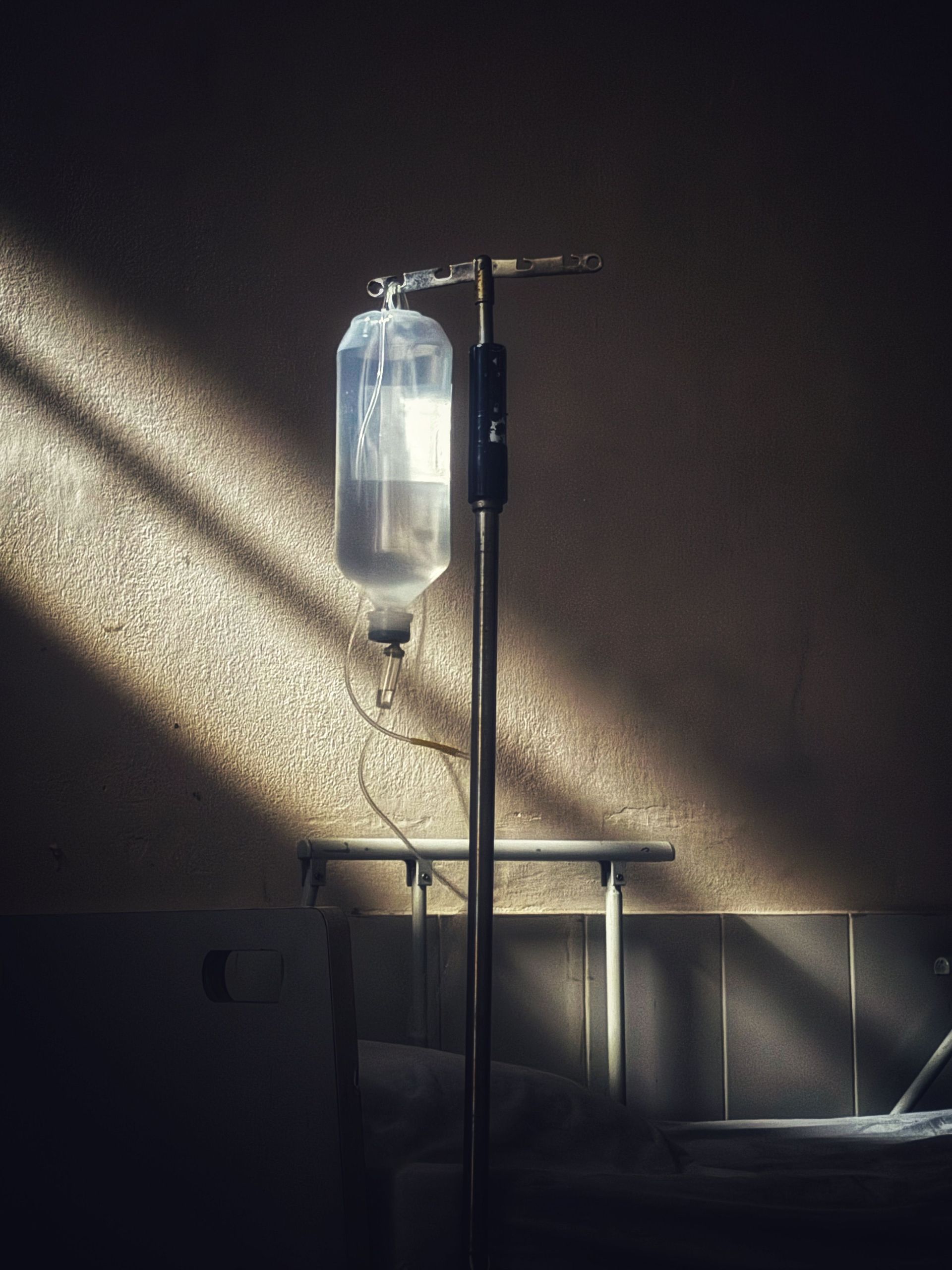
IV Ketamine Therapy:Another treatment option isIV ketamine therapy, a fast-acting infusion treatment that works differently from traditional antidepressants and has been shown to ease symptoms of severe or treatment-resistant depression, often within hours or days.
Get Nighttime Depression Support at The Albany Clinic in Carbondale, IL
If nighttime has become the hardest part of your day, you don't have to manage it alone. At The Albany Clinic, we work with patients dealing with depression, including cases that haven't responded well to standard treatment, and help build a plan that actually fits their symptoms and history.
Reach out to our team today toschedule a consultationand learn which treatment options may help you feel better, both day and night.
Frequently Asked Questions
What is nighttime depression?
Nighttime depression isn't a separate, official diagnosis. It describes a pattern where depressive symptoms (like sadness, fatigue, irritability, or hopelessness) get noticeably stronger in the evening or after dark. This pattern, sometimes called diurnal mood variation, is closely linked to the body's internal circadian clock.
Why do depressive symptoms tend to feel worse at night?
It is usually a combination of factors: disruptions in your body's internal clock (circadian rhythm), having fewer daytime distractions to keep your mind occupied, increased feelings of loneliness and less social contact in the evening, running out of physical and mental energy as the day ends, and a tendency to ruminate or replay the day's mistakes.
Does poor sleep make nighttime depression worse?
Yes, sleep and depression share a two-way relationship. Depression can make it harder to fall asleep, cause frequent waking, or lead to waking up too early. In turn, research shows that sleep disturbances are an independent risk factor that can amplify low mood and make depression symptoms more intense the following day.
What lifestyle changes can help ease nighttime depression?
Several lifestyle habits can help regulate your mood and sleep, including: sticking to a consistent bedtime and wake schedule, limiting caffeine and alcohol intake (especially late in the day), exercising earlier in the day rather than right before bed, practicing a wind-down routine like deep breathing or mindfulness, and limiting screen time to avoid blue light before sleeping.
What treatment options are available if lifestyle changes aren't enough?
When standard talk therapy (such as CBT) or standard medications aren't providing enough relief, advanced treatment options can help. These include Transcranial Magnetic Stimulation (TMS) therapy to stimulate mood-regulating brain areas, SPRAVATO® (Esketamine) nasal spray for treatment-resistant depression, and fast-acting IV Ketamine Therapy.
Where can I find support for nighttime depression in Carbondale, IL?
The Albany Clinic in Carbondale, IL, specializes in working with individuals dealing with depression, including cases that haven't responded well to standard options. You can reach out to our team today to schedule a consultation and learn which treatment options may help you feel better, both day and night.
Explore treatment-resistant depression options in Southern Illinois, including TMS,
SPRAVATO® and IV ketamine, and learn when to seek specialized care.
Learn what to expect before, during, and after ketamine infusion therapy at The Albany Clinic, a medically supervised ketamine clinic in Carbondale, IL.
At the Albany Clinic, our goal is to make you comfortable and provide relief for your symptoms. We accomplish this with a warm atmosphere, a caring and competent staff, and a state-of-the-art facility.
Leave Us a Review
Click The Google Image Below
Easily scan the QR code below with your mobile phone camera to leave us a Google review.