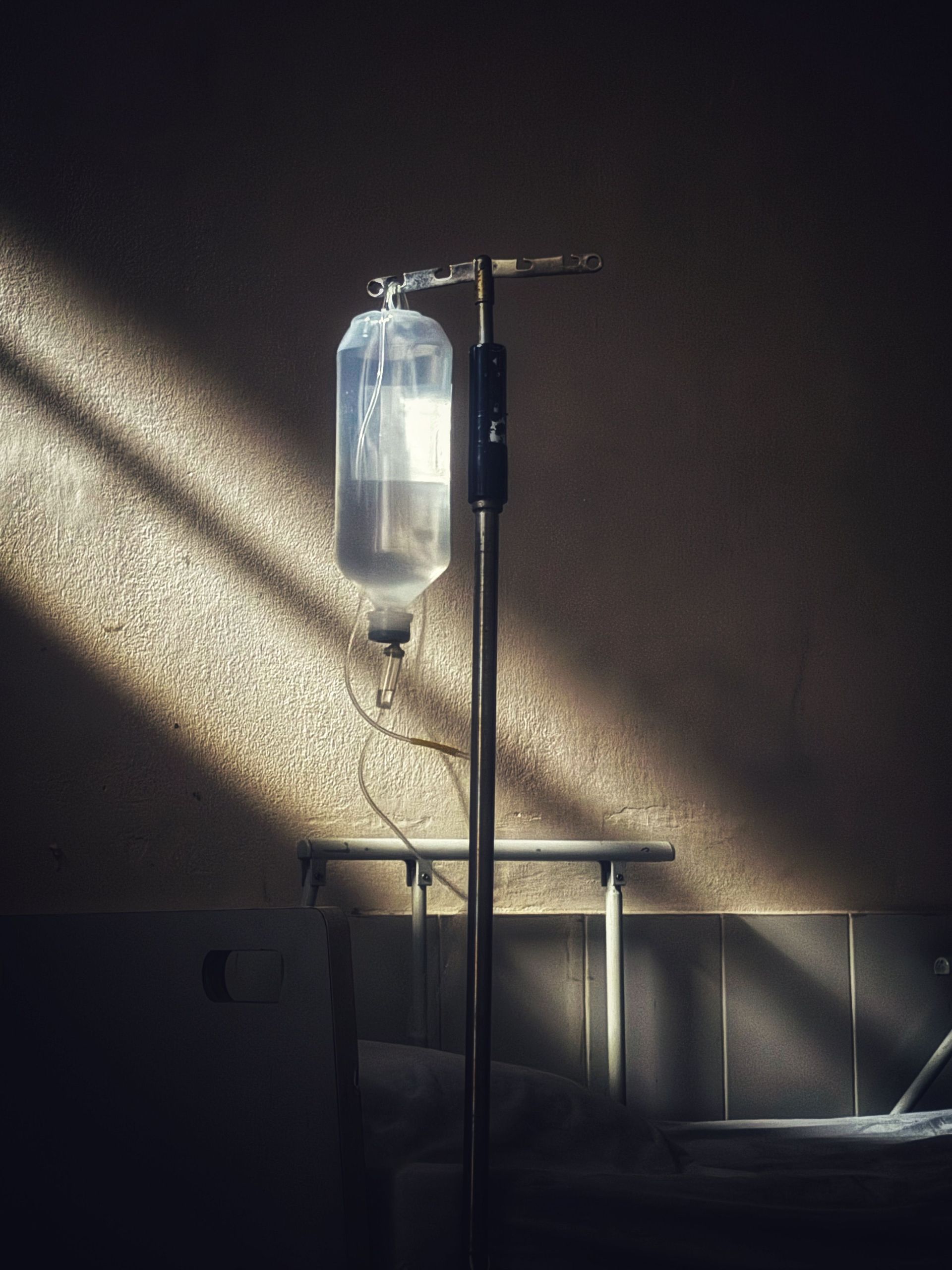
Stellate Ganglion Block For PTSD

Stellate Ganglion Block For PTSD

The Albany Clinic • September 4, 2022

Post-traumatic stress disorder (PTSD) is an anxiety disorder that can occur after someone has been through a traumatic life experience. A person can develop PTSD whether the event happened to them directly or witnessed it happening to someone else. PTSD can cause a range of symptoms, including flashbacks, nightmares, anxiety, and changes in mood and behavior.

People with PTSD often find it hard to go about their everyday lives. They may avoid places or people that remind them of the trauma, and have difficulty sleeping or concentrating. Collectively, these symptoms can make it hard to maintain a job, socialize, or take care of loved ones.

Like most mental illnesses, there is no cure for PTSD, and the available treatments don’t always provide adequate relief. This means researchers are always looking for new and innovative ways to help people with PTSD overcome their symptoms – one of which is stellate ganglion block.

What is a Stellate Ganglion Block?

The stellate ganglion is a bundle of nerves located in the neck near the base of the skull. These nerves are responsible for carrying information between the brain and the body’s sympathetic nervous system – which controls the fight-or-flight response.

A stellate ganglion block is a medical procedure that targets the stellate ganglion nerves in order to interrupt communication between the brain and the sympathetic nervous system. This can help manage severe chronic pain in the neck, head, upper arm, or upper chest.

During the treatment procedure, a local anesthetic is carefully injected into the stellate ganglion nerves from either side of the neck. This numbs the nerves and temporarily interrupts the communication between the brain and the sympathetic nervous system, effectively disrupting pain transmission.

A stellate ganglion block is a relatively simple and low-risk outpatient procedure. The anesthetic effects of a stellate ganglion block can last for hours or days, and the procedure can be repeated as needed to maintain remission.

Stellate Ganglion Block and PTSD

PTSD is thought to be caused by a dysregulated sympathetic nervous system, at least in part – which means the fight-or-flight response is constantly activated, even when there is no cause for alarm. This can lead to the symptoms such as excessive fear, anxiety, and panic attacks, which are all signature symptoms of PTSD.

Since a stellate ganglion block can help to regulate the sympathetic nervous system, it’s thought that this procedure may help to ease the symptoms of PTSD. According to one clinical trial , two stellate ganglion block treatments administered two weeks apart produced significant relief from PTSD symptoms for up to 8 weeks.

Research into stellate ganglion block as a treatment for PTSD is still in its early stages, but the preliminary results are promising. Currently, stellate ganglion block for PTSD is only used off-label as an experimental treatment, but this may change in the future.

Final Thoughts

Research into mental illness treatments is always ongoing, with new and cutting-edge treatments being developed all the time. If you or someone you know has been diagnosed with PTSD, talk to a mental health professional about your available treatment options. If you’re interested in exploring stellate ganglion block as a treatment for your PTSD, discuss it with your doctor to see if it’s right for you.

Book Your Free Initial Consultation
Hand holding pill over a weekly pill organizer, various pills visible in container and blister packs.
By The Albany Clinic January 23, 2026
If you haven’t found relief using antidepressants and need a well-tolerated, non-medication alternative, we offer TMS therapy in Carbondale Illinois.
Person with hands covering face; appears distressed in front of a dark background.
By The Albany Clinic December 26, 2025
Seasonal affective disorder can make winter feel endless. But it doesn’t have to be that way. See how The Albany Clinic in Carbondale Illinois can help!
By Kimberly Mercille September 4, 2025
Living with post-traumatic stress disorder (PTSD) can be debilitating. Nightmares, flashbacks, and a constant sense of being “on edge” can interfere with work, relationships, and overall quality of life. If you’ve tried therapy or medications without lasting relief, you’re not alone—and there may be another option. At the Albany Clinic in Carbondale, Illinois, we specialize in ketamine therapy as a promising treatment for PTSD. Understanding PTSD Post-traumatic stress disorder (PTSD) develops after experiencing or witnessing trauma. While everyone responds to trauma differently, common symptoms include: Intrusive memories or flashbacks Avoidance of reminders of the trauma Emotional numbness or detachment Heightened anxiety , irritability , or trouble sleeping Some people also develop complex PTSD (CPTSD) , which stems from repeated or prolonged trauma. CPTSD often comes with additional challenges, such as difficulty regulating emotions or maintaining healthy relationships. Current Treatments and Their Limitations The most common treatments for PTSD include cognitive behavioral therapy (CBT) , eye movement desensitization and reprocessing (EMDR) , and antidepressant medications . For many people, these treatments can be helpful. However, they also come with challenges: Medications may take weeks to work and don’t help everyone. Therapy can take months or years to create lasting change. Therapies can be difficult to engage with, as they involve discussing the trauma, which can be distressing or may cause someone to shut down emotionally. Some individuals continue to experience severe symptoms despite treatment. This is where ketamine therapy offers a new avenue of hope. How Ketamine May Help PTSD Ketamine works differently from traditional antidepressants. Instead of gradually altering brain chemistry, ketamine acts quickly on key brain circuits involved in mood and fear. Rebalancing brain activity : Ketamine boosts activity in the prefrontal cortex , the part of the brain that helps regulate emotions. It also decreases activity in the amygdala , the brain’s fear center, helping reduce anxiety and hypervigilance. Promoting neuroplasticity : Ketamine encourages new connections between brain areas, helping “rewire” pathways associated with PTSD symptoms. Supporting fear extinction : Ketamine supports fear extinction, the process by which the brain ‘unlearns’ fearful responses to things it expects to be threatening. This is especially important in PTSD, where people may react to safe situations or cues as if they were actual threats. Benefits of Ketamine for PTSD Research continues to grow, but studies and clinical experience have shown several promising benefits: Rapid relief : Many patients notice improvements within hours to days, rather than weeks. This can be especially important during a mental health crisis or for those struggling with suicidal thoughts. Effective when other treatments have failed : Ketamine can offer relief even for people who haven’t responded to medications or therapy. Sustained improvement : With a series of treatments, many patients experience lasting relief from PTSD symptoms. Increases the benefits of other therapies : Ketamine may speed up the outcomes of other trauma-based therapies, such as prolonged exposure therapy . In a 2021 study , people with severe PTSD received either ketamine or a comparison drug over two weeks. Those given ketamine showed much faster and greater improvement in PTSD and depression symptoms. About 67% had significantly improved symptoms , with the biggest differences in intrusive memories, avoidance, and negative thoughts and mood. The treatment was also well-tolerated with few adverse effects. Ketamine Treatment for PTSD at the Albany Clinic At the Albany Clinic in Carbondale, Illinois, we are dedicated to providing safe, effective ketamine therapy for people with PTSD and other psychiatric disorders. We administer ketamine intravenously to support a rapid reduction in symptoms. Here’s what you can expect: A thorough medical and psychiatric evaluation before treatment begins Comfortable, private treatment rooms Careful monitoring by experienced medical professionals throughout each session A personalized treatment plan designed around your needs During your treatment, you’ll have a small plastic catheter inserted into a vein in your arm, which will deliver ketamine straight into your bloodstream. You may experience mild side effects, such as dizziness and dissociation , which can make you feel disconnected from your body and the world around you. These typically wear off after the session is finished. The infusion takes 45 minutes to one hour , and you’ll be closely monitored by staff during the infusion and afterwards to ensure your safety. We’ll provide you with guidance on aftercare once you’re done and how to make the most of your new headspace. Most people with PTSD require multiple infusions to experience sustained, meaningful changes. However, the treatment plan will be tailored according to your unique needs. Get in Touch Today If you or a loved one is struggling with PTSD and current treatments haven’t provided the relief you need, ketamine therapy may be an option worth exploring. At the Albany Clinic, we are here to answer your questions and guide you through every step of the process. Get in touch to find out more.