TMS Therapy
FDA-cleared, noninvasive outpatient treatment using magnetic pulses to stimulate mood-regulating brain areas. Requires no anesthesia or medication side effects, delivered over a series of daily sessions.

The Albany Clinic • September 21, 2026
When major depressive disorder does not improve after trying at least two antidepressant medications, advanced outpatient care can offer alternative paths. The Albany Clinic in Carbondale provides comprehensive clinical evaluations and specialized treatments for patients throughout Southern Illinois.
FDA-cleared, noninvasive outpatient treatment using magnetic pulses to stimulate mood-regulating brain areas. Requires no anesthesia or medication side effects, delivered over a series of daily sessions.
FDA-approved esketamine nasal spray administered in-clinic under medical observation. Requires a minimum 2-hour monitoring period and arranged transportation home due to temporary sedation or dissociation.
Off-label psychiatric treatment delivered via intravenous infusion in a clinical setting. Involves careful screening, precise dosing, continuous monitoring, and structured transportation requirements post-treatment.
When depression continues despite medication and therapy, it can be difficult to know what to try next. Some people have changed medications, adjusted doses, stayed in counseling, and still feel that depression is interfering with sleep, work, relationships, concentration, or daily life.
At that point, it may be time to ask whether treatment-resistant depression is part of the picture. The National Institute of Mental Health describes treatment-resistant depression as depression that does not get better after trying at least two antidepressants. That does not mean there are no options left. It means a more specialized evaluation may be appropriate.
For people in Carbondale and throughout Southern Illinois, advanced outpatient treatments can offer additional paths to consider when standard approaches have not provided enough improvement.
Treatment-resistant depression, often shortened to TRD, is generally used when major depressive disorder has not improved enough after adequate trials of at least two antidepressant medications. A clinician may also look at whether each medication was taken at an appropriate dose and for enough time to judge the response.
A careful evaluation matters because persistent symptoms can have more than one explanation. A provider may review the original diagnosis, current medications, side effects, sleep, substance use, medical conditions, and other mental health concerns. The goal is to understand why symptoms are continuing and what treatment options still make sense.
The Albany Clinic's treatment-resistant depression program focuses on people who have not found adequate relief through conventional care and who may be candidates for more advanced treatment.
There is no single next step for everyone. Depending on a person's history, a mental health professional may recommend adjusting a medication, switching medications, adding another medication, continuing or changing psychotherapy, or considering a treatment that works through a different mechanism.
This is also when many patients first hear about options such as transcranial magnetic stimulation, SPRAVATO® (esketamine), or IV ketamine. These treatments differ in how they are delivered, how often patients come to the clinic, their regulatory status, side effects, and monitoring requirements.
A consultation should help answer one practical question: which options are reasonable for this person based on diagnosis, prior treatment, health history, current medications, and goals?
The Albany Clinic provides several outpatient options for eligible patients with treatment-resistant depression at its Carbondale facility. Each requires an individualized clinical evaluation before treatment begins.
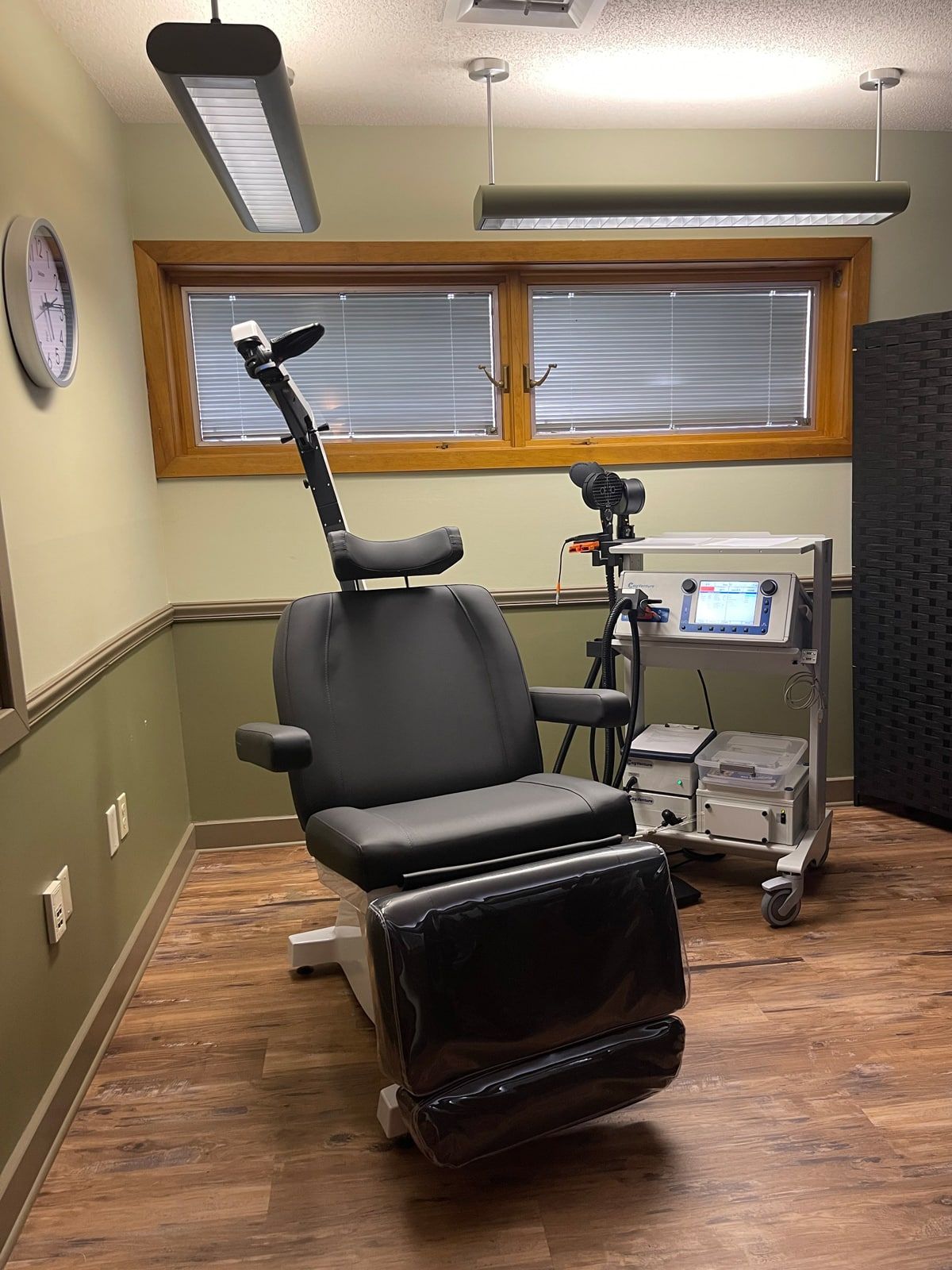
Transcranial magnetic stimulation, or TMS, is a noninvasive treatment that uses repeated magnetic pulses to stimulate areas of the brain involved in mood regulation. The National Institute of Mental Health notes that repetitive TMS is FDA-cleared for treatment-resistant depression and is commonly considered when medication has not worked well enough or has not been well tolerated.
TMS does not require an IV or general anesthesia. Treatment is typically delivered in a series of outpatient sessions, so schedule and travel time are important considerations. Patients considering
TMS therapy at The Albany Clinic can review how the treatment works and what to expect before beginning a course of care.
SPRAVATO is the brand name for esketamine nasal spray. Current U.S. prescribing information lists SPRAVATO for adults with treatment-resistant depression as a monotherapy or in conjunction with an oral antidepressant.
SPRAVATO is not a take-home nasal spray. It is administered in a certified healthcare setting under medical supervision. Because it can cause sedation, dissociation, changes in blood pressure, and other side effects, patients are monitored after each treatment. Current prescribing information requires monitoring for at least two hours, and patients should not drive until the next day after a restful sleep.
The Albany Clinic offers
SPRAVATO treatment in Carbondale for patients who meet appropriate clinical criteria. Insurance coverage and authorization requirements can vary, so those details should be reviewed before treatment starts.
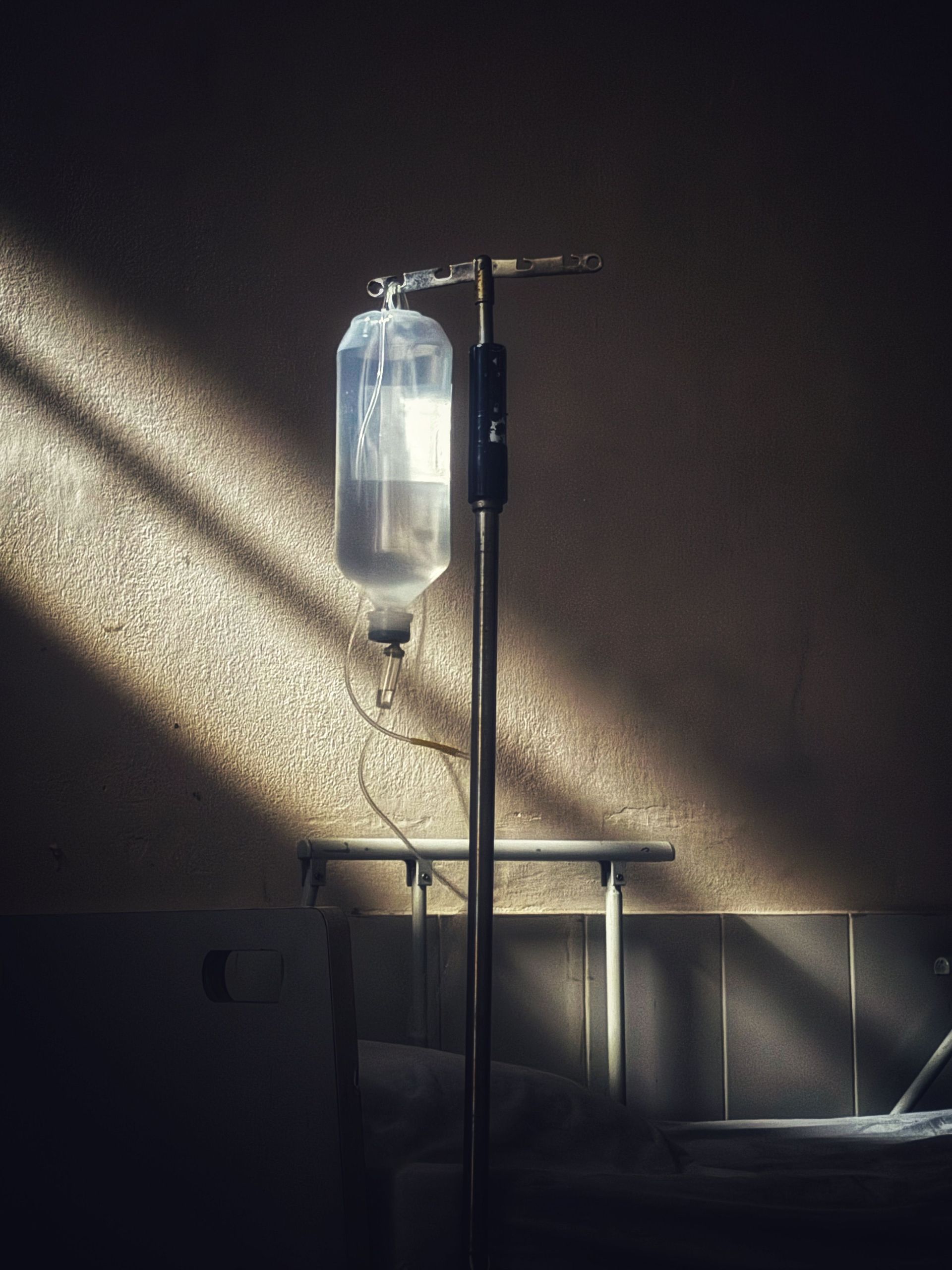
Ketamine has been used in medicine for decades as an anesthetic. Research has also found antidepressant effects in some people with difficult-to-treat depression. When ketamine is given intravenously for depression, that psychiatric use is off-label. It is different from SPRAVATO, which has an FDA-approved indication for adult treatment-resistant depression.
IV ketamine treatment should involve careful screening, dosing, monitoring, and follow-up. At The Albany Clinic, ketamine infusion therapy is provided in a medical setting for appropriate patients, with monitoring during treatment and transportation instructions afterward.
For someone comparing ketamine with TMS or SPRAVATO, the decision should account for medical history, previous treatments, side effects, visit requirements, cost or insurance considerations, and the clinician's assessment of risks and potential benefits.
Treatment-resistant depression is not one uniform condition, so advanced treatments are not interchangeable. During an evaluation, a clinician may consider:
The result may be a recommendation for one advanced treatment, continued standard care, additional evaluation, or a combination of approaches. A good consultation should explain why an option is being considered and what alternatives remain available.
Four key factors evaluated during consultation to guide your care plan.
Medication history, dosing, durations, and past therapy responses.
Symptom severity, baseline patterns, side effects, and health conditions.
Visit frequency, transit needs, driver requirements, and coverage.
Tailored recommendation for advanced care or adjusted standard therapy.
The Albany Clinic is located in Carbondale and serves patients from surrounding communities including Marion, Herrin, Murphysboro, De Soto, Carterville, and other parts of Southern Illinois.
Travel requirements differ by treatment. TMS commonly involves repeated visits over several weeks. SPRAVATO requires in-clinic administration and post-dose monitoring, plus transportation planning because patients cannot drive themselves home. IV ketamine also requires time for infusion, observation, and a ride home.
Before starting, ask how many visits are expected, how long appointments usually take, whether a driver is required, and how follow-up will be handled. These details matter when choosing a treatment that is realistic to complete.
If antidepressants have not provided enough relief, bring a clear treatment history and questions such as:
The goal is to leave with a clearer understanding of the next step, not pressure to choose a procedure immediately.
When two or more antidepressants have not brought enough improvement, it may be worth discussing whether treatment-resistant depression applies and whether a different approach should be considered.
The Albany Clinic in Carbondale provides evaluation and medically supervised treatment options for eligible patients across Southern Illinois, including TMS, SPRAVATO, and IV ketamine infusion therapy. Treatment decisions are based on each patient's diagnosis, health history, previous care, and clinical screening.
Every patient's course of treatment looks a little different. Schedule a consultation at The Albany Clinic in Carbondale to walk through your treatment history, goals, and available options step by step.


At the Albany Clinic, our goal is to make you comfortable and provide relief for your symptoms. We accomplish this with a warm atmosphere, a caring and competent staff, and a state-of-the-art facility.